


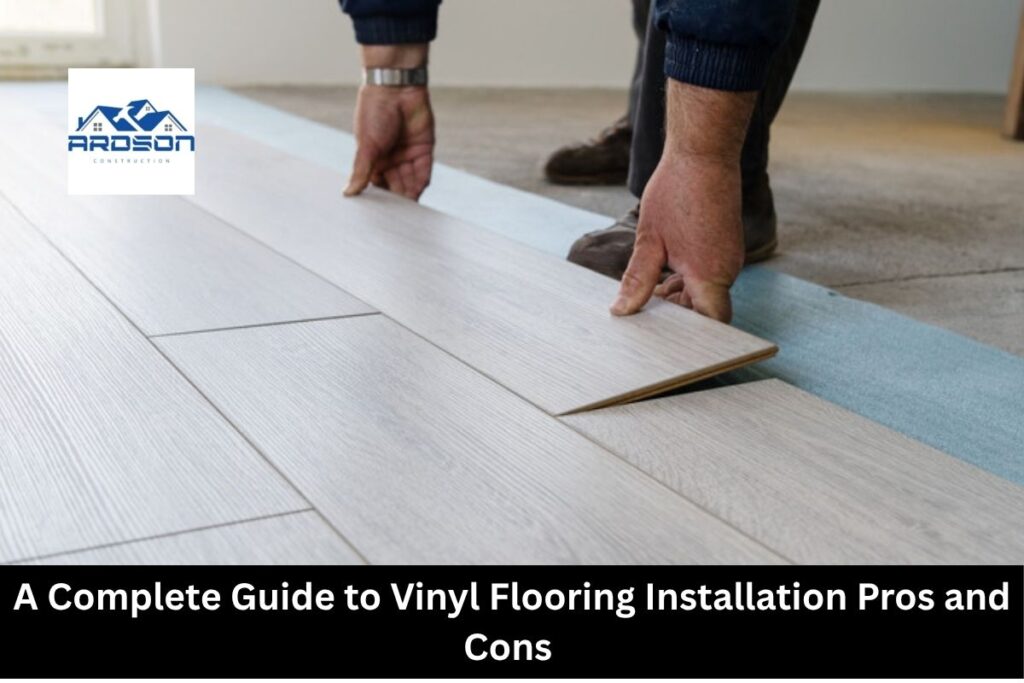
Vinyl flooring has quietly become one of the most popular choices in American homes, and honestly, it’s easy to see why. It’s stylish, budget-friendly, and surprisingly durable. Whether you’re remodeling your kitchen, upgrading your living room, or finishing a basement, vinyl flooring installation offers flexibility that many other flooring options simply can’t match.
At the same time, making the right decision isn’t just about picking a color or pattern. You need to understand the installation methods, the pros and cons, and what works best for your space. That’s where this guide comes in.
In this complete, easy-to-follow post, we’ll break down everything you need to know, from vinyl plank installation techniques to the real-world advantages and drawbacks. Plus, we’ll share expert insights and practical tips to help you avoid costly mistakes. By the end, you’ll feel confident enough to either tackle the project yourself or hire the right professionals. Let’s dive in.
Why Vinyl Flooring Is Winning Modern Homes
Vinyl flooring has evolved far beyond its old reputation. Today’s options, especially luxury vinyl plank installation, deliver a high-end look without the high-end price tag.
First, vinyl mimics natural materials like hardwood and stone with impressive realism. Many homeowners choose it because they get the look of oak or marble without the maintenance. In addition, vinyl is water-resistant, making it perfect for kitchens, bathrooms, and basements.
Another reason for its popularity is ease of installation. Whether you go for glue-down vinyl installation or floating vinyl plank installation, the process is typically faster and less invasive than traditional flooring methods. This convenience appeals to both DIY enthusiasts and those hiring vinyl floor installers.
Understanding Different Types of Vinyl Flooring Installation
Before starting your project, it’s essential to understand your installation options. Each method serves a different purpose and works best in specific environments.
Floating vinyl plank installation is one of the most popular choices. The planks click together and “float” over the subfloor, meaning no adhesive is required. This method is beginner-friendly and works well in living spaces.
On the other hand, glue-down vinyl installation offers a more permanent solution. It’s commonly used in commercial settings or high-traffic areas because it provides extra stability.
Here are the most common installation types:
- Floating vinyl plank installation (click-lock system)
- Glue down vinyl installation for durability
- Peel-and-stick vinyl for quick fixes
- Loose lay vinyl for temporary setups
Each option has its pros and cons, so choosing the right one depends on your budget, skill level, and long-term goals.
Step-by-Step Overview of Vinyl Flooring Installation
Getting started with vinyl flooring installation doesn’t have to feel overwhelming. With the right preparation, the process becomes manageable and even enjoyable.
First, prepare your subfloor. It should be clean, dry, and level. Skipping this step can lead to uneven surfaces and long-term damage. Next, measure your space carefully and plan your layout to minimize waste.
During vinyl plank installation, start from one corner and work your way across the room. If you’re using a floating system, click the planks together securely. For glue-down vinyl installation, apply adhesive evenly and press each plank firmly into place.
Key steps to follow:
- Clean and level the subfloor
- Acclimate planks for 24–48 hours
- Measure and plan layout
- Install planks row by row
- Trim edges for a perfect fit
If you’re unsure, hiring vinyl flooring installers near me can save time and ensure professional results.
Top Advantages of Vinyl Flooring You Should Know
Vinyl flooring comes with a long list of benefits that make it a smart investment for many homeowners.
One of the biggest advantages is affordability. Compared to hardwood or tile, vinyl offers a similar look at a fraction of the cost. Additionally, it’s highly durable and can withstand heavy foot traffic, pets, and daily wear and tear.
Another major benefit is water resistance. Unlike wood, vinyl doesn’t warp when exposed to moisture. This makes it ideal for bathrooms and kitchens. Plus, maintenance is simple; regular sweeping and occasional mopping keep it looking fresh.
Here’s why homeowners love it:
- Budget-friendly alternative to hardwood
- Water-resistant and low maintenance
- Wide variety of styles and colors
- Comfortable underfoot
- Easy and quick installation
The Downsides: What to Consider Before Installing
While vinyl flooring has many perks, it’s not without its drawbacks. Understanding these can help you make a balanced decision.
For starters, vinyl isn’t as eco-friendly as natural materials. It’s made from synthetic components, which can impact sustainability. Also, while durable, it’s not indestructible. Sharp objects can cause scratches or dents.
Another limitation is resale value. Although attractive, vinyl may not increase your home’s value as much as hardwood flooring. Additionally, improper vinyl plank installation can lead to gaps or lifting over time.
Important cons to keep in mind:
- Not environmentally friendly
- Can be damaged by sharp objects
- Lower resale value than hardwood
- Difficult to repair if severely damaged
DIY vs Hiring Professional Vinyl Floor Installers
One big question homeowners face is whether to go DIY or hire professionals. The answer depends on your experience and project complexity.
DIY installation works well for small spaces and floating vinyl plank installation. It saves money and gives you full control over the process. However, mistakes can be costly if you’re not confident.
Hiring professionals ensures precision and efficiency. Experienced vinyl floor installers know how to handle tricky layouts, uneven subfloors, and large spaces. If you’re searching online for vinyl flooring installers near me, look for reviews and verified experience.
If you want expert help, check out Ardson Construction.
Smart Tips to Get the Best Results
To make your vinyl flooring installation successful, a few smart strategies can go a long way.
Start by choosing high-quality materials. Cheap vinyl may save money upfront but often leads to higher maintenance costs later. Also, always acclimate your planks before installation to prevent expansion or contraction issues.
Lighting also plays a role. Install planks parallel to the main light source to enhance the room’s appearance. Finally, don’t rush the process; precision matters more than speed.
Helpful tips to remember:
- Invest in quality vinyl planks
- Let flooring acclimate before installation
- Use proper tools for cutting
- Follow manufacturer guidelines
- Double-check measurements
Maintenance Tips to Keep Your Floors Looking New
Once your flooring is installed, proper care ensures it lasts for years. Fortunately, vinyl flooring is one of the easiest materials to maintain.
Regular cleaning is key. Sweep or vacuum to remove dirt and debris that can cause scratches. Use a damp mop with a mild cleaner for deeper cleaning. Avoid harsh chemicals, as they can damage the surface.
Additionally, protect your floors by using furniture pads and area rugs in high-traffic zones. These simple steps can significantly extend the life of your flooring.
Final Thoughts
Vinyl flooring is a versatile, practical, and stylish option for modern homes. Whether you choose LVP installation or a simple floating system, it offers a balance of affordability and performance that’s hard to beat.
However, like any material, it comes with trade-offs. While it may not match the prestige of hardwood, it excels in durability, water resistance, and ease of installation. If you weigh the pros and cons carefully and follow best practices, vinyl flooring can be a long-lasting and rewarding investment.
FAQs
1. How long does vinyl flooring installation take?
Most projects take 1–3 days, depending on room size and installation method.
2. Can I install vinyl flooring over existing floors?
Yes, in many cases, especially with floating vinyl plank installation, as long as the surface is level.
3. Is glue-down vinyl installation better than floating?
Glue-down offers more stability, while floating is easier and faster to install.
4. How long does vinyl flooring last?
High-quality vinyl can last 10–20 years with proper care.
5. Do I need professionals for LVP installation?
Not always, but hiring experts ensures better results, especially for large or complex spaces.